
What is CBD? An Introduction to Cannabidiol
Defining CBD and Its Origins
Cannabidiol, commonly known as CBD, is one of over 100 compounds found in the cannabis plant. Unlike its more famous counterpart, tetrahydrocannabinol (THC), CBD does not produce psychoactive effects. Instead, it has gained attention for its potential therapeutic benefits and has become the focus of extensive research. The origins of CBD can be traced back thousands of years, with its historical use in traditional medicine evolving into modern applications as legalization spreads across various states and countries.
The Difference Between CBD and THC
While both CBD and THC are cannabinoids derived from cannabis, their effects and legal status differ significantly. THC is the compound responsible for the "high" associated with marijuana; it binds to CB1 receptors in the brain, leading to various psychoactive effects. In contrast, CBD interacts primarily with CB2 receptors, affecting the body's endocannabinoid system without eliciting a high. This fundamental difference explains why CBD is often seen as a safer alternative for those seeking therapeutic interventions without the intoxicating effects.
Common Misconceptions about CBD
Despite the growing popularity of CBD, several misconceptions persist. One common myth is that CBD is addictive; however, research indicates that it is generally well-tolerated and does not lead to dependence. Another misconception is that all CBD products will cause psychoactive effects, which is false. Additionally, many people assume that CBD poses no risks, ignoring the potential side effects, such as fatigue and changes in appetite. Understanding these misconceptions is crucial for users to make informed decisions regarding CBD consumption.
Exploring the Health Benefits of CBD
How CBD May Improve Mental Health
Recent studies suggest that CBD may have a positive impact on mental health conditions, including anxiety, depression, and post-traumatic stress disorder (PTSD). Research indicates that CBD interacts with serotonin receptors in the brain, which can enhance mood and alleviate anxiety. In clinical studies, participants reported significant reductions in anxiety levels after using CBD, emphasizing its potential as a natural treatment option. While further research is needed, initial findings provide hope for those seeking alternative mental health solutions.
CBD's Role in Pain Management
Studies have demonstrated that CBD may be effective in managing chronic pain, inflammation, and discomfort related to various conditions such as arthritis and multiple sclerosis. By modulating the endocannabinoid system, CBD helps reduce pain signals in the brain. Patients have reported improvements in pain relief without the side effects commonly associated with pharmaceuticals, such as addictive opioids. The potential for CBD as a natural pain reliever continues to attract interest from both researchers and patients alike.
Potential Benefits for Sleep Disorders
For individuals struggling with sleep disorders, CBD may offer a solution. Research indicates that CBD can help improve sleep quality and duration, particularly for those suffering from insomnia and other sleep-related issues. Its calming effects can help alleviate stress and anxiety, which are common barriers to restful sleep. Emerging evidence suggests that CBD may also influence the sleep-wake cycle, promoting a more regulated sleep pattern. As more studies are conducted, CBD could become a go-to option for those looking to enhance their sleep health.
The Different Forms of CBD Products Available
Understanding CBD Oils and Tinctures
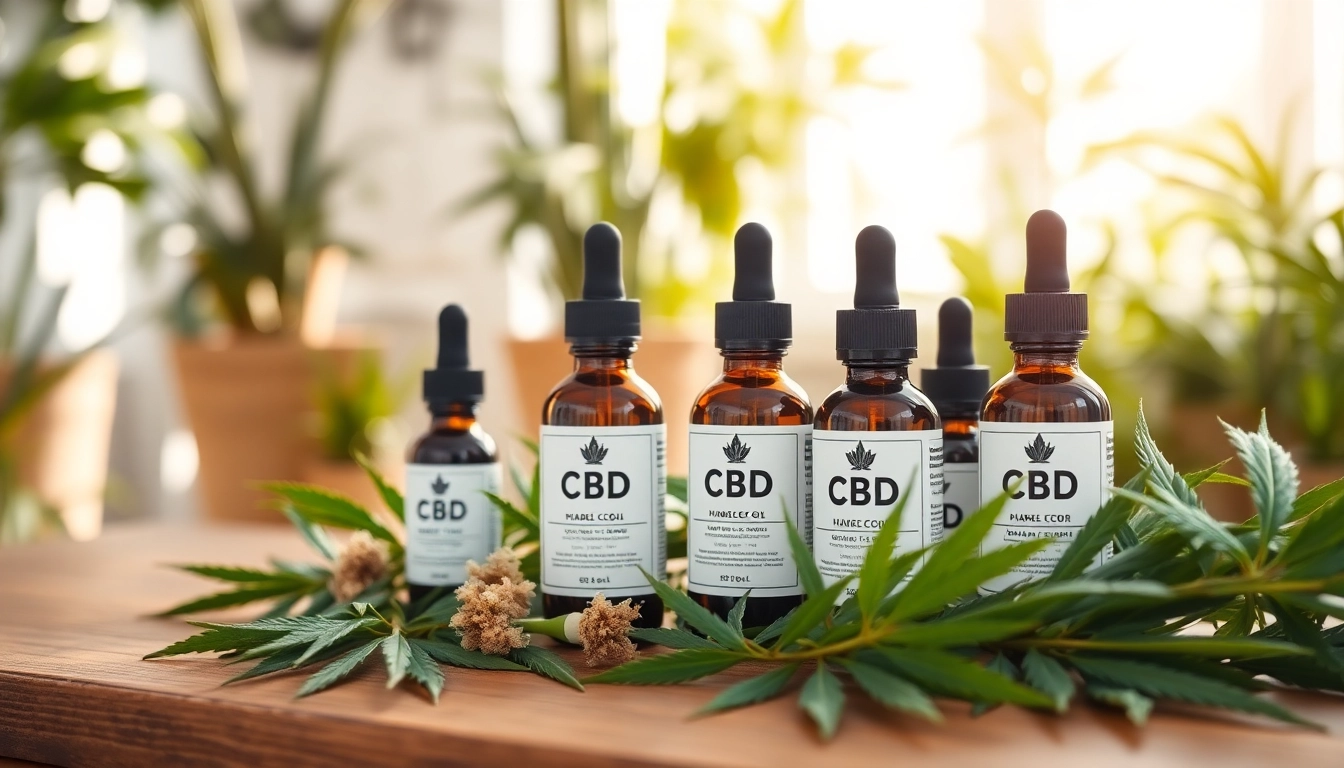
CBD oils and tinctures are among the most popular forms of CBD products. They typically consist of concentrated CBD extract diluted with a carrier oil, such as coconut or hemp seed oil. These products are known for their quick absorption and ease of use, allowing users to measure precise dosages. Oils can be taken sublingually (under the tongue) for fast effects or added to food and beverages as a versatile alternative. Furthermore, choosing a full-spectrum or broad-spectrum oil allows users to benefit from other cannabinoids and terpenes present in the cannabis plant.
CBD Edibles: Gummies and More
Edibles, such as gummies and chocolate, provide a tasty way to consume CBD. They offer a discreet and convenient method for those who prefer not to take oils or capsules. The onset of effects from edibles may take longer due to the digestive process, but the effects often last longer. This form of CBD is popular among users looking for an enjoyable way to include CBD in their daily routine. When purchasing edibles, it's essential to check the dosage per serving to tailor intake effectively.
Topicals and Their Uses for Local Relief
CBD topicals, including creams, balms, and lotions, are specifically designed for localized relief. When applied directly to the skin, these products can help soothe pain, inflammation, and skin conditions without entering the bloodstream. Topicals are particularly favored by athletes and those experiencing joint or muscular discomfort. As with other CBD products, users should examine ingredient labels to ensure high-quality, organic components for optimal results.
Safety and Side Effects of CBD Use
Common Side Effects Associated with CBD
While many people tolerate CBD well, it can cause side effects in some individuals. Common side effects may include dry mouth, diarrhea, fatigue, and alterations in appetite. Although these effects are generally mild, users should be aware of their prevalence, particularly when starting with CBD. Monitoring one’s response is crucial to determining the right dosage and product type.
Drug Interactions and Warnings
It's vital to consider potential drug interactions when using CBD. As CBD can affect the liver's ability to metabolize certain medications, individuals taking prescription drugs should consult healthcare professionals before incorporating CBD into their routines. Caution should be exercised with medications like blood thinners, as these interactions can increase the risk of adverse effects. Understanding how CBD interacts with other substances is essential for safe use.
Determining Safe Dosage for New Users
Determining the appropriate dosage for new CBD users can be challenging due to the absence of standardized dosing guidelines. Experts recommend starting with a low dose, typically around 5-10 mg per day, and gradually increasing it based on individual response. Factors such as body weight, metabolism, and the severity of symptoms can influence the effective dosage. Keeping a journal to track dosage and effects can help users find their optimal level of CBD intake.
Legal Considerations and Future of CBD
Current Legal Status of CBD in the U.S.
The legal status of CBD in the United States is complex and varies by state. The 2018 Farm Bill legalized hemp-derived CBD products containing less than 0.3% THC at the federal level, but individual states have the authority to regulate the sale and use of CBD. Understanding local laws is essential for consumers, as regulations can impact product availability and usage rights. As more states embrace CBD legality, the industry continues to expand, offering new opportunities for businesses and consumers alike.
CBD's Role in the Future of Health and Wellness
The future of CBD in health and wellness looks promising, with ongoing research uncovering new applications and benefits. As public perception shifts and regulations become clearer, it's likely that CBD will become an integral part of holistic health strategies. The growing interest in natural alternatives to conventional medicine positions CBD as a leading player in the health and wellness segment, making it essential for consumers and healthcare professionals alike to stay informed about developments in this exciting field.
How to Choose Quality CBD Products
Choosing high-quality CBD products is crucial for ensuring efficacy and safety. Consumers should look for products made from organic hemp, preferably sourced from the United States. Lab testing by third-party laboratories is essential, providing transparency regarding the potency and purity of products. Reading reviews and checking for certifications can also help individuals make informed purchasing decisions. Ultimately, prioritizing quality over cost will facilitate a positive CBD experience.