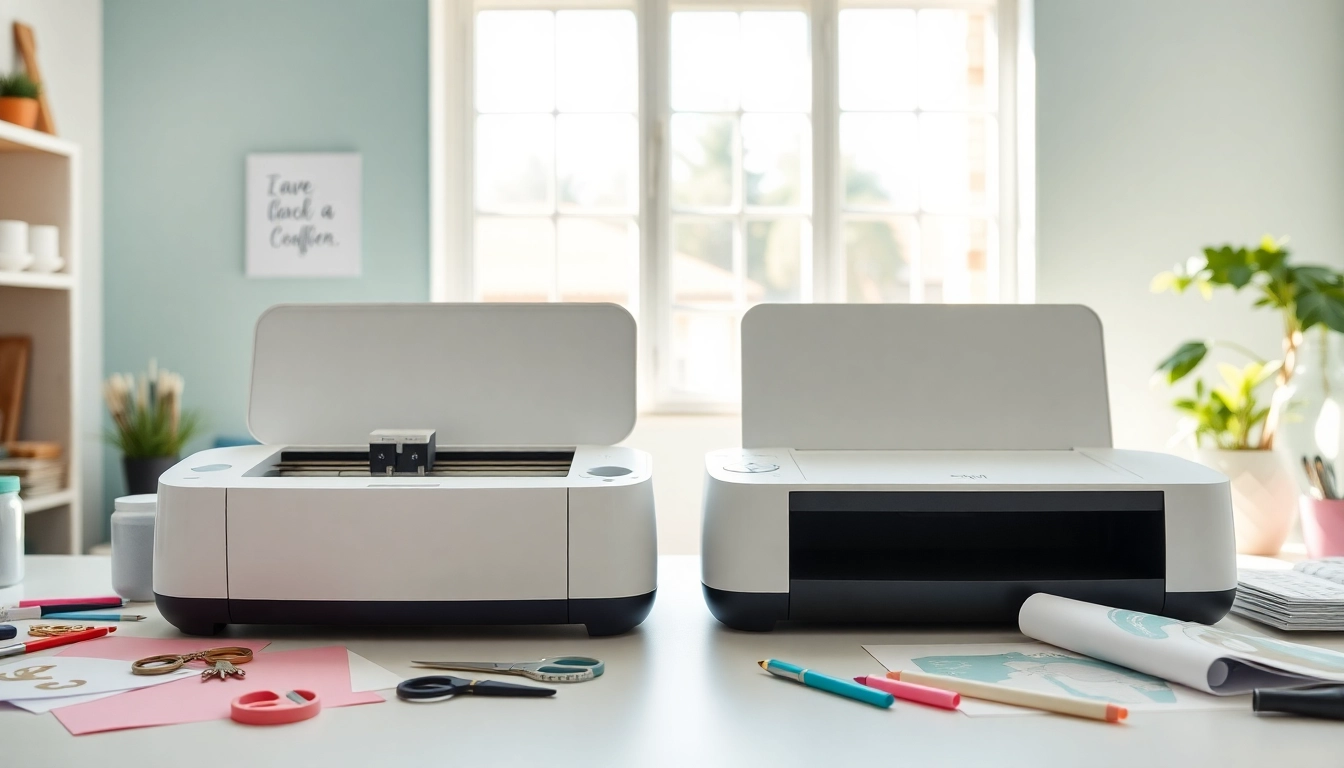
Understanding the Basics of Silhouette vs Cricut
In the world of crafting, choosing the right cutting machine can significantly influence your creative journey. Two of the most popular brands in this domain are Cricut and Silhouette, each offering a range of machines tailored to various crafting needs. Understanding their features, capabilities, and overall user experience will empower you to make a well-informed decision. For an insightful comparison, a detailed examination of silhouette vs cricut is essential for both beginners and seasoned crafters alike.
Key Features of Cricut Machines
Cricut machines are renowned for their user-friendly interfaces and intuitive design. One of their standout features is the Smart Cut technology, which allows users to cut intricate designs with precision. The Cricut Maker, for instance, not only supports a variety of materials, including fabric and leather, but also features a dual carriage system that lets you cut and write or cut and score in one go. Additionally, Cricut machines often come with a large selection of pre-designed templates and a vast library of images accessible through Cricut Access.
Key Features of Silhouette Machines
On the other hand, Silhouette machines, particularly the Cameo series, are celebrated for their robust software capabilities. Silhouette Studio is a powerful design program that allows users to create intricate designs from scratch, giving more control over customization. Silhouette machines also offer a greater cutting area, making them ideal for larger projects. The latest models, such as the Silhouette Cameo 4, come equipped with features such as a built-in roll feeder and advanced cutting technology that easily handles thicker materials.
Comparative Overview of Software Capabilities
When comparing the software of each brand, Cricut's Design Space is known for its straightforward user experience, making it a great option for those new to crafting. It provides an extensive library of designs and fonts, but users are often limited in terms of customization unless they pay for more advanced features. In contrast, Silhouette Studio, while it has a steeper learning curve, offers extensive tools for advanced users, making it suitable for professional applications. This distinction in software capabilities is crucial for crafters looking to advance their skills.
Pros and Cons of Each Brand
Advantages of Cricut for Beginners
Cricut machines are particularly advantageous for beginners due to their user-friendly interface and the availability of numerous tutorials and resources. The machines are also generally quieter during operation, which is a plus for those who prefer a peaceful crafting environment. Furthermore, Cricut's robust marketing strategies have led to a large online support community, helping users troubleshoot issues and share creative ideas.
Benefits of Using Silhouette for Professional Crafters
For more experienced creators, Silhouette machines offer unparalleled flexibility and customization options. The ability to design intricate patterns from scratch provides professional crafters with complete creative liberty. Moreover, Silhouette’s advanced software capabilities cater well to businesses that require precise and complex designs, making it an excellent choice for entrepreneurs in the crafting industry.
Limitations and Considerations for Both Brands
Despite their strengths, both brands have limitations. Cricut's emphasis on simplicity can sometimes restrict advanced users from fully harnessing their creativity. Meanwhile, Silhouette machines may require a steeper investment of time to learn the software, which could be a barrier for beginners. Understanding these limitations is essential before making a purchase decision.
Cost Comparison: Cricut vs Silhouette
Initial Investment and Pricing Structures
The initial investment for Cricut machines typically ranges from $200 to $400, depending on the model and features. On the other hand, Silhouette machines generally start at a lower price point, around $200, making them more accessible for novice crafters. However, additional costs, such as software subscriptions and specialized blades, can add up quickly for both brands.
Accessory Costs and Long-Term Expenses
While Cricut offers a variety of accessories that are usually reasonably priced, Silhouette users might find some accessories, especially specialty blades, to be more expensive. Over time, the cost of accessories and materials can influence your overall budget, making it crucial to evaluate which brand offers the best long-term value based on your crafting needs.
Budget-Friendly Crafting Solutions
For those on a budget, both brands offer entry-level machines that can be suitable for casual crafting. Cricut's Explore Air 2 is a popular choice for entry-level users, while the Silhouette Portrait is more affordable and compact, making it an excellent option for those with limited space. Always consider the operating costs in addition to the initial purchase price when estimating your crafting budget.
User Experience and Support
Community and Resource Availability
Both Cricut and Silhouette have active online communities that provide a wealth of information, from project inspiration to troubleshooting tips. Cricut's vibrant community is often seen as more welcoming for beginners, whereas Silhouette’s community contains many seasoned users who are willing to share advanced tips and tricks. Engaging with these communities can significantly enhance your crafting experience.
Customer Support and Warranty Options
When it comes to customer support, Cricut tends to have a more robust system in place, with extensive online resources and direct customer service options. Silhouette also offers reliable support, but users often report longer wait times for response. Both brands provide warranties on their machines, which can vary based on the specific model purchased.
Online Tutorials and Learning Resources
Educational resources are abundant for both crafting communities, with numerous online tutorials, video guides, and forums available to help users maximize their machines' potential. Cricut excels in offering a wide variety of beginner tutorials, while Silhouette’s resources lean towards more advanced techniques, providing explicit detail on software and design intricacies.
Future Trends in Crafting Machines
Emerging Technologies in Crafting
The future of crafting machines is rapidly evolving with technological advancements such as artificial intelligence (AI) integration and automated cutting features. Both Cricut and Silhouette are expected to incorporate more smart technology into their product lines, enhancing user experience and efficiency. Users can anticipate machines that learn from user behavior, streamlining the design process.
What to Expect from Cricut and Silhouette by 2026
By 2026, we can expect both Cricut and Silhouette to continue focusing on making their machines more accessible while simultaneously enhancing their capabilities. Innovations may include improved connectivity options, such as seamless integration with mobile devices and smart home systems, which will allow users to print and cut remotely.
Innovative Crafting Techniques to Watch For
The crafting landscape is also likely to see new techniques emerging, integrating digital technology with traditional crafting. Techniques like ‘smart printing’ that pairs design software with home printers to create layered textures and designs could revolutionize personal and professional crafting.