Understanding Prediction Markets and Their Impact
Prediction markets have transformed the way we forecast outcomes for real-world events, engaging individuals from various backgrounds in a simple yet powerful manner. In this era of rapid technological advancement, applications like ポイ活 アプリ are leading the charge, making these markets accessible to the everyday user. But what exactly is a prediction market, and how does it differ from traditional betting systems? This article dives deep into the mechanics and implications of prediction markets, illustrating their significance in today's landscape.
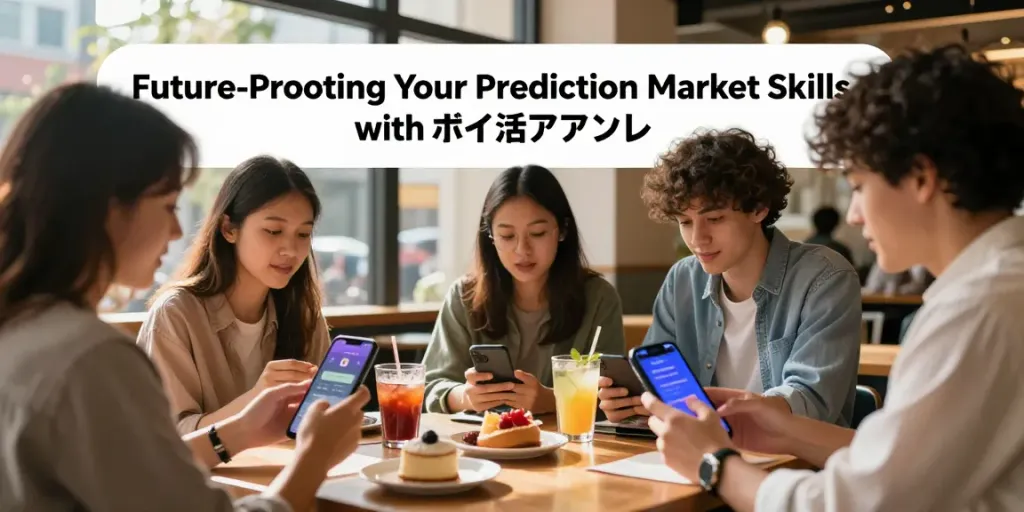
What is a Prediction Market?
A prediction market is an exchange where participants trade contracts based on the outcomes of future events. Unlike conventional betting platforms, prediction markets utilize a peer-to-peer model, allowing users to buy and sell shares in an outcome. This unique structure promotes a collective pooling of knowledge, generating crowdsourced probabilities about various events—from political elections to sports outcomes.
Evolution of Prediction Markets by 2026
By 2026, prediction markets have become an integral part of global financial infrastructure. The monthly trading volumes of major platforms like Kalshi and Polymarket have skyrocketed, showcasing an impressive rise from under $5 billion in September 2025 to a mind-blowing $31.2 billion by May 2026. This unprecedented growth reflects a shift in user demographics, where tech-savvy millennials and Generation Z embrace mobile-native platforms that simplify the user experience.
How Prediction Markets Differentiate from Traditional Betting
Traditional sportsbooks typically charge high fees, often around 10%, which can significantly affect the return on investment for bettors. In contrast, prediction markets operate with much lower margins, usually around 2%. Moreover, regulatory recognition from bodies like the CFTC distinguishes these markets from conventional gambling, allowing participants to trade positions freely before an event concludes. This accessibility and transparency make prediction markets a favored option for many users.
Benefits of Using ポイ活 アプリ
As the mobile adaptation of prediction markets takes center stage, the benefits of using applications designed for this purpose emerge clearly. These benefits extend beyond mere convenience, enabling users to engage in forecasting with minimal barriers to entry. In this section, we discuss why apps like Swipe1 are gaining traction among users.
Streamlined User Experience for Everyone
One of the standout features of mobile-native prediction markets is their focus on user experience. Swipe1, for instance, has been designed specifically for the mobile generation, utilizing fast and intuitive swipe gestures. With a straightforward interface that eliminates complex trading terminals, users can quickly swipe left for "YES," right for "NO," or up to skip a question, which democratizes access to market participation.
How to Earn Rewards with Simple Actions
In the world of ポイ活 アプリ, earning rewards has never been easier. Users can accumulate points by simply engaging with the app, making predictions, or referring friends. The platform's gamification aspects, such as the Swipe1 Points system, encourage ongoing interaction, allowing users to track their progress and see how they rank within the community.
Community Engagement and Social Interaction
Prediction markets thrive on the collective insights of their users. By engaging a community of forecasters, apps like Swipe1 create a vibrant social ecosystem. Users can follow rankings, sentiment, and activity in real-time, fostering a sense of belonging and shared purpose. This social aspect enhances the user experience and keeps individuals invested in the outcomes they predict.
Getting Started with ポイ活 アプリ
New users may feel intimidated by the prospect of joining a prediction market platform. However, getting started with apps like Swipe1 is a straightforward process, designed for ease of access.
Setting Up Your Account
To dive into the world of prediction markets, users need to set up an account. With options to log in via Gmail or a Web3 wallet, the onboarding process for Swipe1 is quick and user-friendly. This non-custodial approach ensures users maintain control over their data while enjoying a seamless experience.
How to Make Your First Prediction
Making predictions is as easy as viewing a question on the platform and swiping in the desired direction. Whether it's predicting the outcome of a sporting event or an election, users can express their opinions without the complexities often associated with traditional trading platforms. This simplicity encourages participation from a broader audience, transcending the limitations of expertise.
Understanding the Points System
The points system in Swipe1 gamifies the prediction market experience. Users can earn Swipe1 Points through daily engagement and activities like referring friends. These points contribute to a user's standing on the leaderboard, enhancing competition and engagement within the community. However, it is crucial to note that these points do not hold inherent monetary value and are designed purely for fun and engagement.
Comparison of Popular Prediction Apps
As the market for prediction applications grows, it’s essential to understand how different platforms cater to specific user needs. In this section, we compare Swipe1 with two notable competitors: Polymarket and Kalshi.
Swipe1 vs Polymarket
While both platforms facilitate prediction markets, they cater to different audiences. Polymarket is primarily aimed at crypto-native users and high-volume traders, making it more complex and better suited for those with trading experience. In contrast, Swipe1 focuses on the casual user, emphasizing ease of use and community engagement over high-stakes trading, thereby making it accessible for everyone.
Swipe1 vs Kalshi
Kalshi operates with a high volume of institutional trading and caters to professional market participants. It processes over $1 billion in annual volume, with nearly 40% stemming from institutional players. Swipe1, by comparison, is designed to attract everyday users, fostering a social environment that welcomes all levels of experience.
Which App Suits Your Prediction Style?
Choosing the right prediction app largely depends on your engagement style and preferences. For those who prefer a streamlined, social approach, Swipe1 offers a refreshing alternative. However, if you're looking for a platform that supports high-volume trading and advanced features, Polymarket or Kalshi may be more appropriate.
Future Trends in Mobile Prediction Markets
The landscape of prediction markets is continually evolving, and as we look ahead, several trends are emerging that could shape the future of mobile prediction apps.
Technological Innovations in 2026
By 2026, advancements in blockchain technology are expected to enhance the functionality and security of prediction markets. Increased scalability and lower transaction costs will facilitate more seamless user interactions, making platforms like Swipe1 even more appealing. Additionally, the integration of AI and machine learning will aid in predicting outcomes, providing users with more data-driven insights.
Changing User Demographics and Engagement Styles
The user base for prediction markets is diversifying, with younger demographics increasingly participating. As mobile-native apps like Swipe1 evolve, features tailored to social interaction and gamification will likely attract more casual users, driving greater engagement and participation.
Predictions for the Next Five Years
Looking forward, the prediction market landscape is poised for significant growth. The social aspect of prediction markets will further expand, allowing users to engage more deeply with each other and with the events they are forecasting. As more people recognize the value of collective insights, platforms that prioritize community and user experience will thrive, establishing themselves as major players in the market.
What are the top benefits of using a ポイ活 アプリ?
Some of the primary benefits of utilizing a ポイ活 アプリ include the simplicity of use, accessibility for casual users, the opportunity to earn rewards for participation, and the ability to engage with a community of like-minded forecasters. These platforms foster a sense of belonging while empowering users to express their opinions on a variety of real-world events.
Can I really earn money using prediction markets?
While prediction markets themselves are not designed to directly generate income, they do offer opportunities for users to earn rewards and incentives. The gamification of platforms like Swipe1 encourages users to participate regularly, which can enhance their overall experience and engagement within the platform.
How do I choose the best prediction market app for my needs?
When selecting a prediction market app, consider factors such as user experience, community engagement, and the types of events covered. Apps like Swipe1 cater to casual users seeking a social and gamified environment, while platforms like Polymarket and Kalshi may suit those with trading experience looking for more intricate features.
Are there risks involved in using prediction markets?
Yes, like any speculative activity, prediction markets come with inherent risks. These include the potential loss of participation value, risks associated with blockchain and smart contracts, and regulatory uncertainties. Users should approach participation with caution and an understanding of their risk tolerance.
What is the future of prediction markets in social contexts?
The future of prediction markets will likely see increased integration into social contexts, encouraging more collective engagements. As more individuals recognize the value of shared insights, platforms focusing on social interaction and community-building will thrive, fundamentally reshaping how we forecast and engage with real-world events.