Understanding the Benefits of CBD
In recent years, the wellness industry has witnessed a significant shift towards natural remedies, with CBD (cannabidiol) emerging as a cherished component of this movement. As we seek safer, less invasive solutions for health and well-being, CBD offers a host of potential benefits for daily wellness. Research suggests it can aid in managing various conditions, from anxiety and sleep disorders to inflammation and pain relief. This article aims to provide an in-depth understanding of CBD, its interactions with the body's endocannabinoid system, and how it might enhance your overall wellness regimen. When exploring options, ministry of cannabis provides comprehensive insights into cannabis seed varieties that can lead to excellent home cultivation experiences.
Health Benefits of CBD for Daily Wellness
Numerous studies highlight the potential health benefits of CBD, particularly focusing on its ability to promote balance within the body. One of the most researched areas is its effect on anxiety. Preliminary findings suggest that CBD may help to reduce anxiety symptoms by interacting with serotonin receptors in the brain. Additionally, CBD has shown promise in improving sleep quality, offering a more restful night for those struggling with insomnia and sleep disturbances.
Beyond mental health, CBD also exhibits anti-inflammatory properties, providing a natural alternative for pain management. This can be particularly beneficial for individuals dealing with chronic pain conditions such as arthritis or fibromyalgia. Moreover, by engaging with the endocannabinoid system, CBD can potentially aid in enhancing focus and improving post-workout recovery through its muscle-relaxing effects.
How CBD Affects the Endocannabinoid System
The endocannabinoid system (ECS) plays a crucial role in maintaining homeostasis within the body. It is composed of receptors (CB1 and CB2), endocannabinoids produced by the body, and enzymes. CBD interacts mainly with the CB2 receptors, which are largely found in the immune system and peripheral tissues. This interaction can lead to various physiological effects that contribute to wellness, including reducing inflammation, modulating pain perception, and promoting mental clarity.
Therapeutic Applications of Cannabinoids
Cannabinoids, including CBD, have shown therapeutic potential in various areas. Research continues to explore cannabinoids' effectiveness in treating conditions such as anxiety, depression, PTSD, and epilepsy. For example, a recent study demonstrated a significant reduction in seizure frequency in individuals with epilepsy when treated with CBD, further validating its therapeutic effects. The integration of CBD into wellness regimens could represent a major shift toward more holistic, plant-based approaches to health care.
Types of CBD Products
As interest in CBD grows, so does the variety of available products, each with unique characteristics and benefits. This section will explore the different types of CBD products, focusing on their uses, methods of consumption, and onset times.
Exploring Oils, Edibles, and Topicals
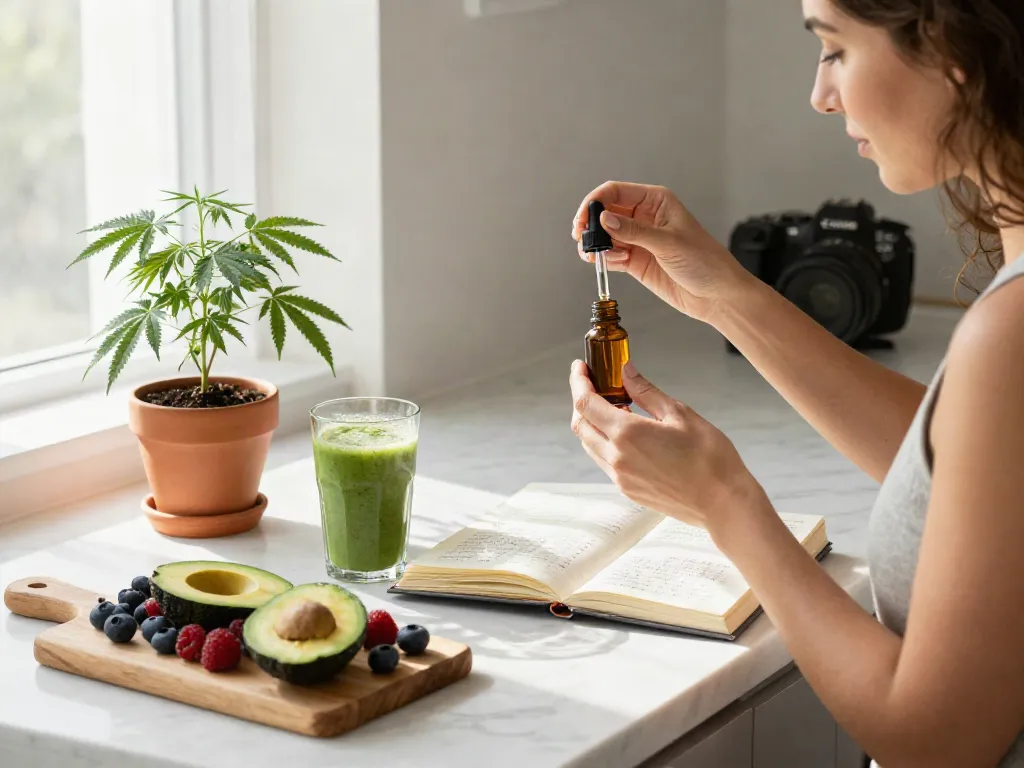
CBD oils and tinctures are among the most popular products due to their versatility and fast absorption rates. Typically taken sublingually, they offer quick onset times, making them preferable for immediate relief. Edibles, such as CBD-infused gummies or beverages, provide a more gradual effect as they must be metabolized through the digestive system. They often come in precisely measured doses, which can be convenient for users.
Topicals, like creams and balms, are applied directly to the skin and are ideal for localized relief of inflammation or pain. They work through transdermal absorption, allowing cannabinoids to penetrate the skin and target underlying inflammation or discomfort. Each method of consumption has its benefits, and the choice often depends on personal preference and specific health goals.
Vaping CBD: What You Need to Know
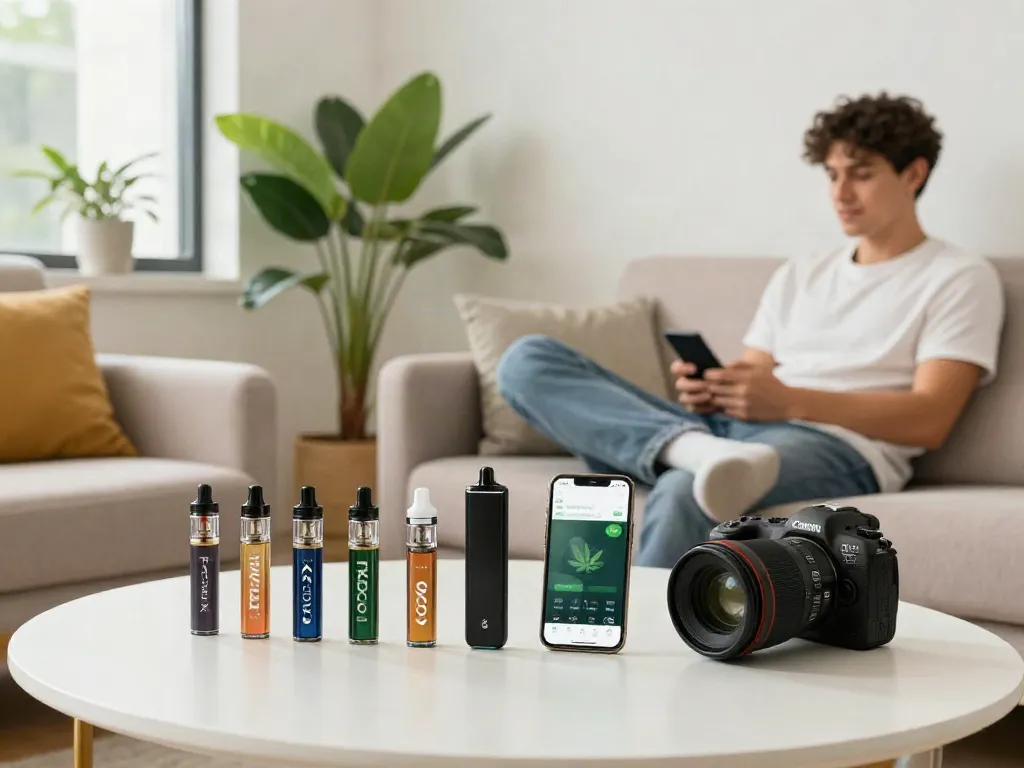
Vaping has emerged as a popular method for experiencing the benefits of CBD due to its rapid absorption and ease of use. Vaping CBD allows users to inhale aerosolized CBD oil, leading to higher bioavailability compared to other methods. However, it's crucial to choose high-quality products, as some vape oils may contain contaminants or unsafe additives. Ensuring you understand the type of vape juice and its ingredients is vital for safety in vaping.
Differences Between Full-Spectrum and Isolate
CBD products can be categorized as full-spectrum, broad-spectrum, or isolate. Full-spectrum CBD contains all cannabinoids and terpenes found in the cannabis plant, including trace amounts of THC, which may enhance therapeutic effects via the entourage effect. Broad-spectrum CBD has similar components but without THC, making it suitable for those concerned about psychoactive effects. On the other hand, CBD isolate is the purest form, containing only CBD without any other compounds.
Dosage Guidelines for Safe Usage
Finding the right dosage for CBD can be a nuanced endeavor, as it varies by individual and purpose of use. This section will provide guidance on dosing practices and factors to consider.
Finding Your Ideal CBD Dosage
Starting low and going slow is often recommended when beginning CBD use. Individuals should begin with a small dose, observing how their body reacts before gradually increasing as needed. Factors such as body weight, metabolism, and the concentration of the product can all influence the ideal dosage.
Adjusting Dosage for Specific Needs
Those using CBD for chronic pain or anxiety may find they require a different dosage than someone using it for general wellness purposes. It's essential to listen to your body and adjust accordingly. Using titration methods—slowly increasing your dosage until you achieve the desired effects without adverse reactions—can help in finding the optimal dose.
Understanding Titration Methods
Titration involves incrementally adjusting dosage based on individual response. This method not only ensures the best results but also minimizes the risk of side effects. For instance, a common approach may involve starting with 5-10 mg of CBD and increasing by the same amount every few days until the desired impact is achieved. Proper record-keeping during this process can help individuals better understand what works best for them.
Quality Assurance and Testing Standards
Ensuring quality and safety in CBD products is imperative for a beneficial experience. This section discusses the importance of third-party testing and the standards that should be monitored.
Importance of Third-Party Lab Testing
Third-party testing is essential for validating the potency and purity of CBD products. Reputable brands will often make their Certificates of Analysis (COA) easily accessible, detailing the cannabinoid profile and testing for contaminants such as pesticides, heavy metals, and microbes. This transparency helps consumers make informed decisions and trust the safety of their products.
Reading Certificates of Analysis (COA)
Understanding how to read a COA is crucial for consumers. Elements to look out for include the potency percentages of cannabinoids, such as CBD and THC, as well as any indications of the presence of contaminants. Proper COAs should be conducted by accredited labs to ensure accuracy and reliability.
Identifying Reliable CBD Products
When selecting a CBD product, look for brands that prioritize transparency and quality assurance. Signs of reliable products include:
- Clear labeling with detailed ingredient lists
- Positive customer reviews and testimonials
- Third-party testing results available on their website
- Compliance with local laws and regulations
By educating oneself on these factors, consumers can reduce the risk of choosing low-quality or potentially harmful products.
Navigating Legal and Safety Considerations
Understanding the legal landscape surrounding CBD is essential for consumers. This section will detail the current status and necessary precautions regarding CBD use.
Legal Status of CBD in 2026
The legal status of CBD continues to evolve. The 2018 Farm Bill legalized hemp-derived CBD containing less than 0.3% THC at the federal level in the United States. However, individual states may have their own regulations that further restrict or regulate CBD use. Therefore, it is crucial to stay informed about local laws regarding CBD products.
Potential Drug Interactions with Cannabinoids
CBD has the potential to interact with other medications, particularly blood thinners and certain anti-seizure medications. Users should discuss their CBD use with a healthcare professional, especially if they are on prescribed medications to avoid any adverse effects or unexpected interactions.
Best Practices for Product Storage and Shelf Life
Proper storage of CBD products can help maintain their potency and effectiveness over time. Store CBD oils in a cool, dark place and ensure they are tightly sealed to prevent oxidation. Additionally, be mindful of the product's expiration date and shelf life, which can vary depending on the type of product and preservatives used.
Frequently Asked Questions
Many newcomers to the world of CBD have common queries about its effects and usage. This section will address some of the most frequently asked questions.
What are the differences between cannabis seeds and CBD products?
Cannabis seeds are the initial step in cultivating cannabis plants, while CBD products are derived from the plant itself. CBD is obtained from hemp or cannabis plants through extraction processes, offering therapeutic benefits without the psychoactive effects associated with THC.
Can CBD help with anxiety?
Studies suggest that CBD may reduce anxiety levels, but individual responses can vary. Further research is needed to fully understand its effectiveness in managing anxiety disorders.
How to find reputable CBD brands?
Selecting trusted brands involves researching company practices, seeking transparency in testing, and reading customer reviews. Brands that prioritize safety and quality will often provide COAs and have positive feedback from their users.
Are there any side effects associated with CBD?
While CBD is generally well-tolerated, side effects can occur, including drowsiness, dry mouth, and digestive changes. It's important to start with lower doses and consult a healthcare professional when necessary.
What should I know about manufacturing practices?
Understanding a brand's manufacturing practices, including whether they adhere to Good Manufacturing Practices (GMP), is crucial for ensuring product quality. Brands committed to transparency will often share information about their sourcing and production processes.