Understanding the Cultural Landscape for Spanish Speakers
As globalization continues to shape our world, the need for cultural exchange and understanding has never been more critical. For Spanish speakers, connecting to different cultures—especially those in Asia—can be a rewarding yet challenging journey. The platform https://hanadultalk.com serves as a bridge, facilitating access to Asian cultural content in the Spanish language. In this article, we will explore the importance of cultural representation, the challenges faced by Spanish speakers in accessing Asian content, and the benefits that bilingual content offers in the realm of entertainment.
The Importance of Cultural Representation
Cultural representation matters because it fosters understanding and acceptance among diverse communities. For Spanish speakers, access to Asian culture can provide insights into different lifestyles, traditions, and values that are often underrepresented in mainstream media. By engaging with content that highlights these cultures, individuals can gain a deeper appreciation for the diversities of the world, ultimately leading to a more inclusive society.
Challenges in Accessing Asian Content
Despite the rich tapestry of Asian cultures, Spanish speakers often encounter barriers when looking for quality content. Many Asian movies, music, and shows are produced primarily in their native languages, which limits accessibility for non-native speakers. Furthermore, translation quality can vary significantly, making it difficult for Spanish audiences to enjoy these works as they were intended. Such challenges highlight the need for platforms like Hana Dul Talk that provide quality bilingual content.
Benefits of Bilingual Content in Entertainment
Bilingual content in entertainment serves several purposes. First, it encourages language learning by immersing viewers in another language within the context of a familiar cultural narrative. This method has been shown to enhance retention and comprehension, making it easier for individuals to learn new languages while enjoying the content they love. Additionally, bilingual storytelling allows for a richer narrative that respects the nuances of both cultures, resulting in a more authentic experience for viewers.
Exploring Diverse Asian Cultures
Asian cultures are incredibly diverse, each with its unique customs, traditions, and histories. By exploring these cultures, Spanish speakers can expand their understanding and appreciation of the world around them. In this section, we will highlight three prominent cultures: Korean, Japanese, and Chinese.
Highlighting Korean Pop Culture
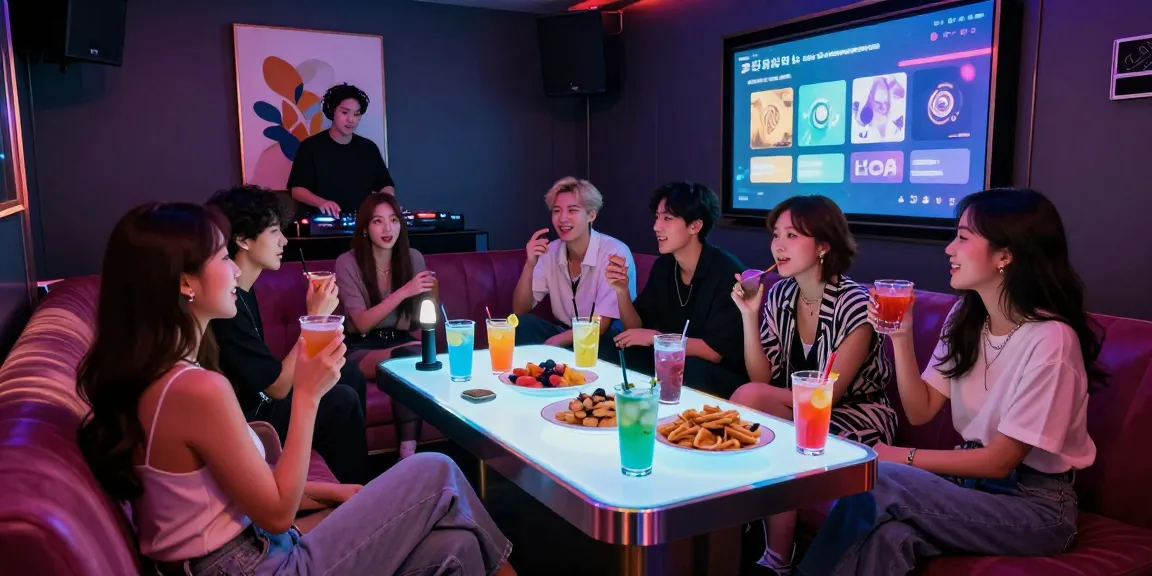
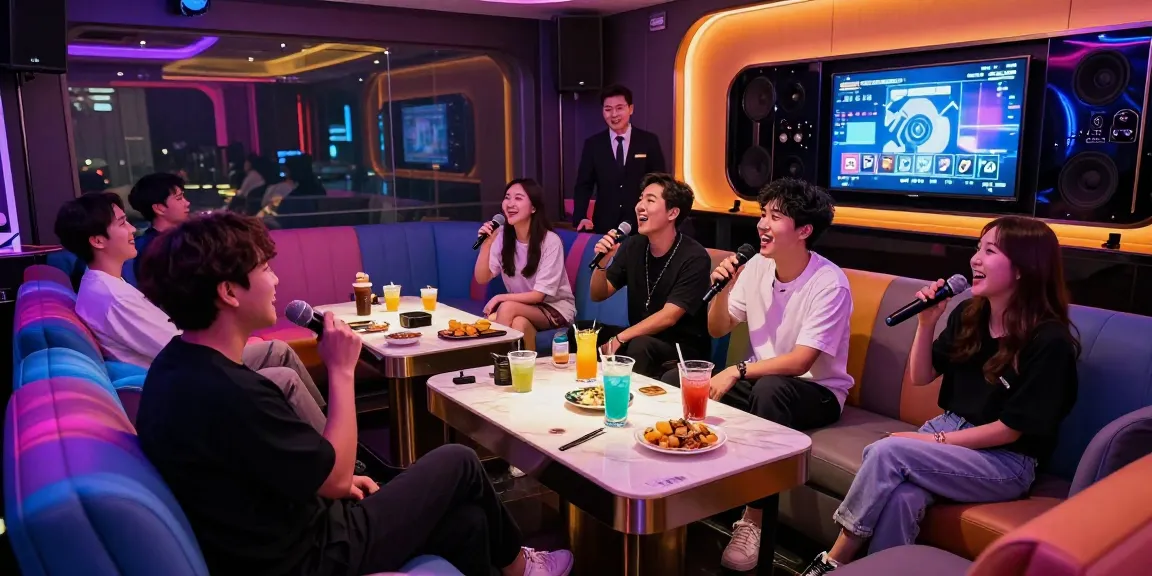
Korean pop culture has taken the world by storm, especially among younger audiences. K-Pop, in particular, has gained immense popularity across various demographics. With its vibrant music scene, stylish fashion, and innovative marketing strategies, Korean pop culture offers a wealth of content that resonates with fans globally. Spanish speakers can find joy in accessing K-Pop music videos, dramas, and variety shows, all portrayed in a language they understand.
Japanese Cuisine and Traditions
Japanese cuisine is celebrated worldwide for its artistry and health benefits. From sushi to ramen, the flavors of Japan are diverse and rich. For Spanish speakers, understanding Japanese culinary traditions can deepen their appreciation for this aspect of Asian culture. Additionally, exploring the rituals surrounding Japanese dining, such as the importance of seasonality and presentation, enhances the overall cultural experience.
Chinese Heritage and Festivals
China’s vast history and rich heritage offer plentiful opportunities for cultural exploration. Festivals such as the Lunar New Year and the Mid-Autumn Festival showcase traditions that have been passed down through generations. Spanish speakers can benefit from understanding these events through cultural content that highlights their significance, allowing for a more informed appreciation of Chinese culture.
Creating Engaging Content for Spanish Audiences
To effectively engage Spanish-speaking audiences with Asian cultural content, it is essential to employ effective writing techniques. This section will provide insights into creating content that resonates with this demographic.
Effective Writing Techniques for Cultural Topics
When writing about cultural topics, it’s crucial to maintain a respectful tone that acknowledges the richness of the cultures being represented. Utilizing relatable language and familiar contexts can bridge gaps and make the content engaging. Furthermore, incorporating personal anecdotes or stories can enhance relatability and foster a deeper connection with the audience.
Utilizing Visuals to Enhance User Engagement
Visual elements play a significant role in enhancing engagement. Infographics, images, and videos can complement written content by providing visual context, making it easier for readers to understand complex cultural concepts. For example, a visual guide to traditional Japanese tea ceremonies can help Spanish speakers visualize the practice, enhancing their learning experience.
Strategies for Social Media Promotion
In today’s digital age, social media is a powerful tool for promoting cultural content. Creating shareable content that is visually appealing and easy to digest can help increase visibility and audience reach. Posting cultural trivia, behind-the-scenes glimpses of content creation, and interactive Q&A sessions can encourage engagement and foster a community around shared interests.
Leveraging Technology for Cultural Learning
Technology has revolutionized the way we access and learn about different cultures. For Spanish speakers, several online resources and tools can facilitate cultural learning about Asia. This section will explore some of these resources and their benefits.
Online Resources and Platforms
Numerous online platforms offer bilingual content tailored to the needs of Spanish speakers. Streaming services, language learning apps, and dedicated cultural websites can provide ample opportunities for engagement. By utilizing these resources, Spanish speakers can immerse themselves in Asian cultures from the comfort of their homes.
Interactive Learning Tools for Spanish Speakers
Interactive tools, such as quizzes, games, and virtual reality experiences, can enhance learning by providing engaging ways to explore cultural content. These tools allow users to experience cultural practices actively, making the learning process more immersive and memorable. For instance, a cooking game that teaches users how to prepare traditional Asian dishes can be both informative and entertaining.
Future Trends in Cultural Content Delivery
The future of cultural content delivery is vibrant, with emerging technologies like augmented reality (AR) and virtual reality (VR) promising to transform how audiences experience cultures. These technologies can offer immersive experiences that allow users to participate in cultural events and traditions virtually. As these technologies advance, there is significant potential for deeper engagement and understanding across cultures.
Connecting Communities Through Shared Interests
In a globalized world, shared interests can serve as powerful tools for connection. For Spanish speakers interested in Asian culture, online communities offer spaces to engage, learn, and share experiences. This section will discuss the role of these communities in promoting cultural exchange.
The Role of Online Communities in Cultural Exchange
Online communities provide platforms for individuals to connect based on shared interests in Asian culture. Forums, social media groups, and dedicated websites allow users to exchange ideas, discuss content, and support each other in their learning journeys. These spaces foster a sense of belonging and community among individuals from various backgrounds.
Encouraging Dialogue and Discussions
Encouraging open dialogue within these communities can facilitate deeper cultural understanding. Hosting discussions on relevant topics, sharing personal experiences, and asking open-ended questions can enrich interactions. Facilitators should create an inclusive environment where all voices feel valued, promoting a sense of community and shared learning.
Building Cross-Cultural Friendships
Cross-cultural friendships can flourish through shared interests in cultural topics. By engaging with one another, individuals can learn from each other’s experiences and perspectives, breaking down barriers and fostering empathy. Online interactions can lead to meaningful connections that transcend cultural differences, enriching lives on both sides.
What are the key benefits of bilingual content for cultural engagement?
Bilingual content provides an avenue for comprehensive cultural engagement by offering insights into cultural nuances and broader contexts. This format not only helps language learners but also ensures that cultural representations are authentic and relatable.
How can technology facilitate cultural exchange?
Technology facilitates cultural exchange by providing platforms for content delivery, interactive tools for engagement, and spaces for community building. As technology evolves, its capacity to connect diverse cultural experiences and promote understanding will continue to grow.
What strategies enhance content creation for diverse audiences?
Successful content creation for diverse audiences involves understanding the cultural backgrounds of the target demographic, employing inclusive language, using relatable narratives, and incorporating engaging visuals and interactive components.
What role do online communities play in cultural understanding?
Online communities are instrumental in fostering cultural understanding by serving as spaces for dialogue, collaboration, and shared experiences. They can facilitate learning and growth while also providing a support network for those exploring new cultures.
How to effectively promote cultural content on social media?
Effective promotion of cultural content on social media entails creating visually appealing posts, utilizing hashtags for reach, engaging with followers through polls or questions, and collaborating with influencers who share similar cultural interests.