Unveiling the Benefits and Uses of CBD Oil for Health and Wellness

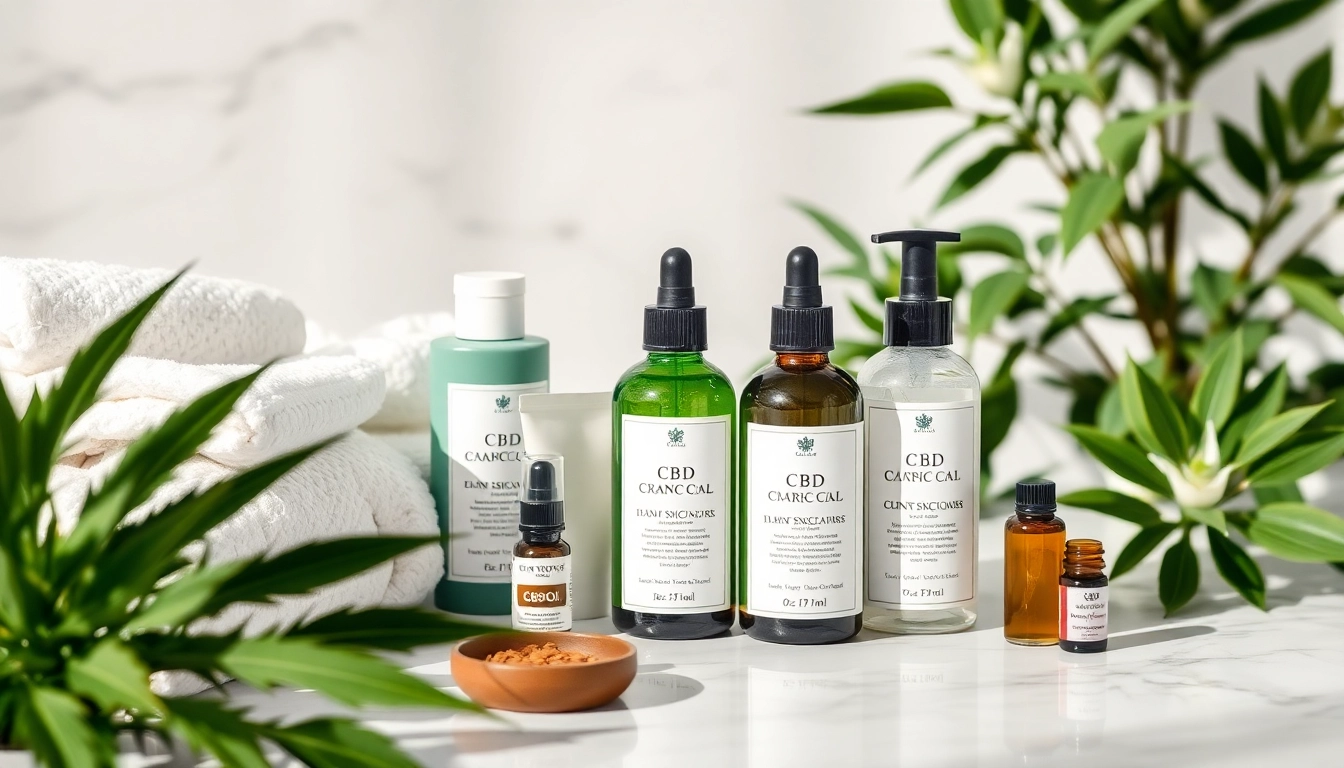
Showcase premium CBD Oil in a relaxing environment, highlighting product details and natural elements.

Understanding CBD Oil: What You Need to Know

Definition and Origin of CBD Oil

Cannabidiol, commonly known as CBD, is a natural compound found in the Cannabis sativa plant. Unlike its more famous counterpart, tetrahydrocannabinol (THC), CBD does not produce a psychoactive effect, meaning it doesn’t induce the “high” commonly associated with marijuana use. This characteristic has made CBD Oil an appealing option for those seeking relief from various health issues without the intoxicating effects of THC.

The history of CBD can be traced back thousands of years, where it has been utilized for medicinal purposes across different cultures. The extraction of CBD from hemp, a non-psychoactive variety of cannabis with low THC levels, became popular in the 20th century as researchers began exploring its therapeutic benefits. In recent years, the growth of CBD’s popularity has led to extensive research into its chemical properties and potential health applications.

How CBD Oil Works in the Body

CBD interacts with the body’s endocannabinoid system (ECS), a complex network of receptors and neurotransmitters that play a crucial role in regulating various bodily functions, including mood, memory, sleep, and appetite. The ECS comprises two primary types of receptors: CB1 and CB2. CB1 receptors are primarily concentrated in the brain and are responsible for the psychoactive effects of THC, while CB2 receptors are found in the peripheral nervous system and immune cells.

When CBD is introduced into the system, it engages with the ECS by influencing how receptors respond to endogenous cannabinoids—compounds produced by the body. This interaction can help restore balance, alleviate pain, reduce inflammation, and mitigate anxiety without the side effects commonly associated with pharmaceutical medications.

Popular Types of CBD Oil Available

There are several forms of CBD oil available on the market, each tailored to different preferences and needs:

  • Full-Spectrum CBD Oil: This type contains all of the cannabinoids found in the cannabis plant, including a trace amount of THC. Users benefit from the “entourage effect,” where the cannabinoids work synergistically to enhance therapeutic effects.
  • Broad-Spectrum CBD Oil: Similar to full-spectrum, but without any THC content. It allows users to experience the entourage effect without the risk of psychoactive effects.
  • CBD Isolate: The purest form of CBD, which contains no other cannabinoids or THC. Ideal for those who want to avoid THC completely or desire a tasteless option.

Health Benefits of CBD Oil

Pain Relief and Inflammation Reduction

One of the most widely recognized benefits of CBD Oil is its ability to alleviate chronic pain and reduce inflammation. Research indicates that CBD may modulate pain signals and offer relief from conditions such as arthritis, fibromyalgia, and multiple sclerosis.

Multiple studies have shown that CBD oil can decrease inflammation by targeting receptors in the endocannabinoid system, which plays a vital role in immune response. The anti-inflammatory properties of CBD may also hold promise for those suffering from autoimmune diseases, promoting overall wellness.

Managing Anxiety and Stress with CBD Oil

Many individuals struggling with anxiety or stress have turned to CBD Oil for its potential calming effects. Studies have demonstrated that CBD can impact serotonin receptors in the brain, which are primarily involved in regulating mood and emotional responses.

In clinical settings, CBD has shown promise in reducing symptoms of generalized anxiety disorder, social anxiety disorder, and post-traumatic stress disorder (PTSD). Users report feeling more relaxed and able to approach challenging situations with a clearer mindset.

Potential Benefits for Sleep Disorders

Sleep disturbances, such as insomnia, affect millions of people globally. CBD Oil may offer a natural alternative for those struggling to achieve restful sleep. Preliminary research suggests that CBD may improve sleep by addressing underlying issues such as anxiety, pain, and stress—common culprits of sleep disruptions.

Some studies have reported that CBD can increase overall sleep duration and improve sleep quality, helping individuals to achieve deeper restorative sleep. By promoting relaxation and reducing nighttime discomfort, CBD Oil is becoming a sought-after remedy for sleep disorders.

How to Choose High-Quality CBD Oil

Evaluating Ingredients and Extraction Methods

When selecting CBD Oil, it’s crucial to consider its ingredients and extraction methods. High-quality oil typically undergoes CO2 extraction, a process that preserves the purity of the compound while eliminating harmful contaminants. It’s essential to check the label for all-natural ingredients, as synthetic additives can diminish the oil’s efficacy and safety.

Importance of Third-Party Testing

Transparency is key in the CBD market. Reputable companies should provide third-party lab test results to verify the potency and purity of their products. These tests confirm that the oil is free from harmful substances such as pesticides, heavy metals, and solvents, ensuring that consumers receive a safe product.

Recognizing Real-Life Reviews and Testimonials

Reading customer reviews and testimonials can provide insights into the product’s effectiveness. Look for genuine feedback regarding the product experience, dosage effectiveness, and overall satisfaction. Be cautious of overly positive reviews, as they may have been incentivized or fabricated.

Using CBD Oil: Dosage and Consumption Methods

Different Ways to Take CBD Oil

CBD Oil can be consumed in various ways, making it versatile for users. The most common methods include:

  • Sublingual Drops: Placing oil under the tongue for quick absorption into the bloodstream.
  • Capsules: An easy way to incorporate CBD into a daily routine, providing precise dosage.
  • Topicals: Creams and balms infused with CBD can be applied directly to the skin for localized relief.
  • Edibles: Gummy bears, chocolates, and other consumables infused with CBD provide an enjoyable way to ingest the compound.

Finding Your Ideal Dosage

Determining the right dosage of CBD Oil can be a personal journey, as factors such as body weight, individual metabolism, and the specific condition being treated all come into play. Beginners are often advised to start with a low dosage and gradually increase it until the desired effects are achieved. Consulting with a healthcare professional experienced in cannabis can be beneficial in finding the right dosage tailored to individual needs.

Safety and Precautions When Using CBD Oil

CBD Oil is generally well-tolerated, but some users may experience mild side effects such as fatigue, dizziness, or gastrointestinal discomfort. It’s crucial to consult a healthcare provider, especially if you are pregnant, breastfeeding, or taking other medications. Additionally, ensure that the product is sourced from a reputable brand and adheres to all safety and quality standards.

Understanding the Legal Landscape of CBD Oil

Federal vs. State Regulations on CBD Oil

The legal landscape of CBD Oil varies significantly between federal and state regulations. In the United States, the 2018 Farm Bill legalized hemp-derived CBD products containing less than 0.3% THC, opening the door for widespread market availability.

However, state laws can differ, with some states implementing stricter regulations regarding the sale and use of CBD. It’s crucial for consumers to be aware of their state’s laws regarding CBD to ensure compliance and legality.

What to Look for in Legal Compliance

When purchasing CBD Oil, consumers should verify that the product is compliant with both federal and state regulations. This includes checking that the product is derived from hemp, falls within the legal THC threshold, and that the company provides necessary documentation such as lab results. Most reputable companies will clearly display their compliance status on their websites.

Future Trends in CBD Oil Legislation

The future of CBD Oil legislation is likely to evolve as scientific research continues to validate its health benefits and challenge misconceptions. With a growing demand for natural remedies, there is a possibility of further deregulation, leading to more accessible and standardized products in the market. As advocacy and consumer education increase, lawmakers may implement regulations that foster a safer, more robust CBD industry.

Leave a Reply

Your email address will not be published. Required fields are marked *